Condition
Reduced central vision affects recognition, reading and focus on fine detail.
Portfolio/Vue—
Vue— is a system for autonomous navigation across physical and digital environments, designed for people with low vision who need more than isolated accessibility features.
That is almost the population of Indonesia.

Marta has reduced central vision. She still uses sight every day, but detail, contrast and hierarchy become unreliable depending on the environment.
Condition
Reduced central vision affects recognition, reading and focus on fine detail.
Context
Streets, shops, signage, websites and navigation systems all demand constant extra interpretation.
Daily friction
Reading labels, locating interface controls or identifying obstacles can shift from manageable to uncertain in seconds.
Real issue
The problem is not darkness. It is the continuous effort needed to rebuild clarity and confidence.
Signage, labels, interfaces and on-screen content often fail when contrast, hierarchy or detail are insufficient.
Users must constantly interpret fragmented cues, change tools and rebuild context to complete simple tasks.
When automated tools fall short, asking for help usually means leaving the flow and starting again somewhere else.
Repeated uncertainty affects confidence and can reduce willingness to explore unfamiliar spaces or services independently.
Large amounts of information, unstable layouts and inconsistent interactions make products technically accessible but practically difficult.
Accessibility is not about helping. It is about giving control back.
Vue— reframes accessibility as a coordinated system that preserves agency. Assistance matters, but autonomy comes from clarity, continuity and the ability to act without depending on constant intervention.
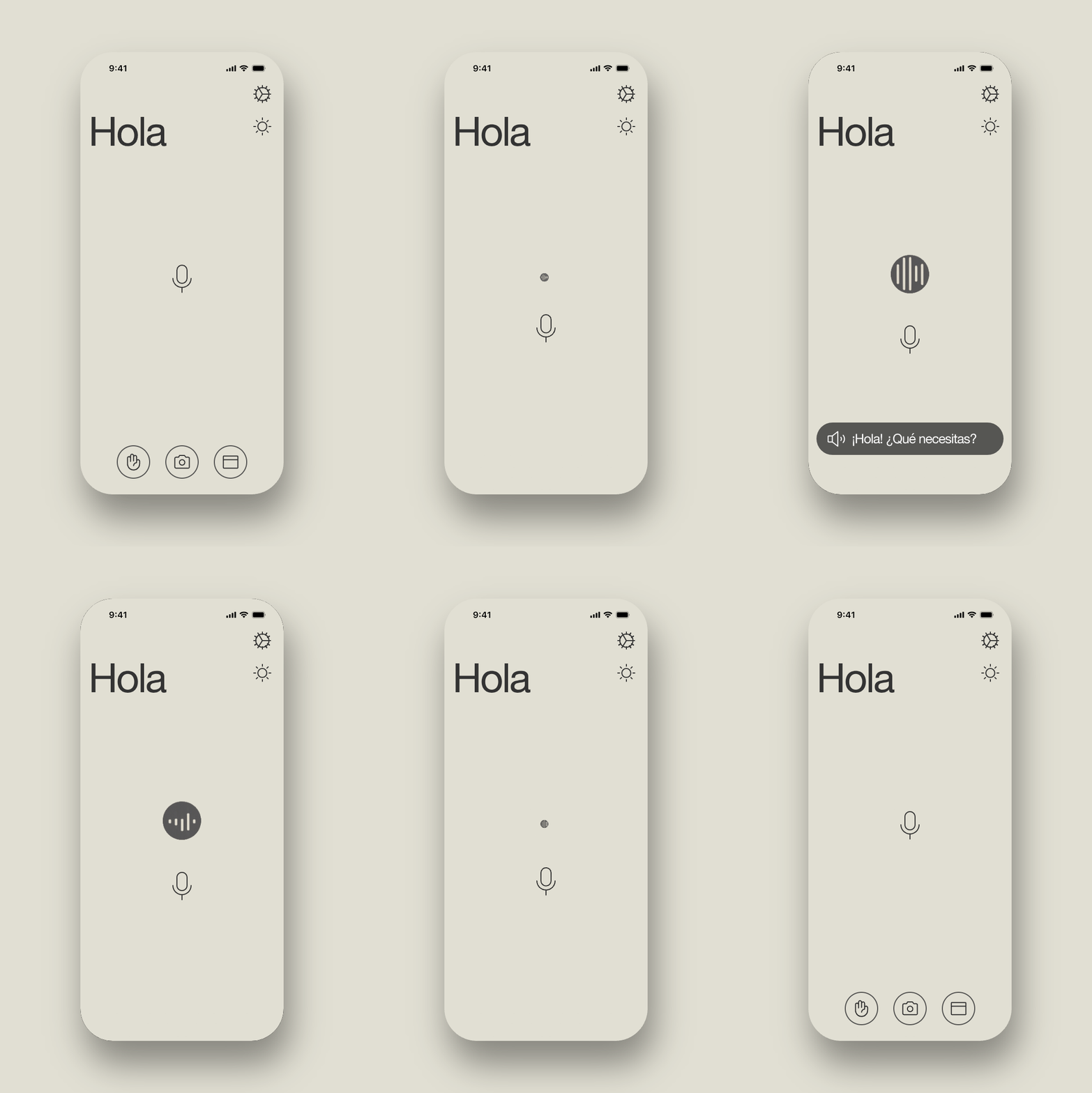
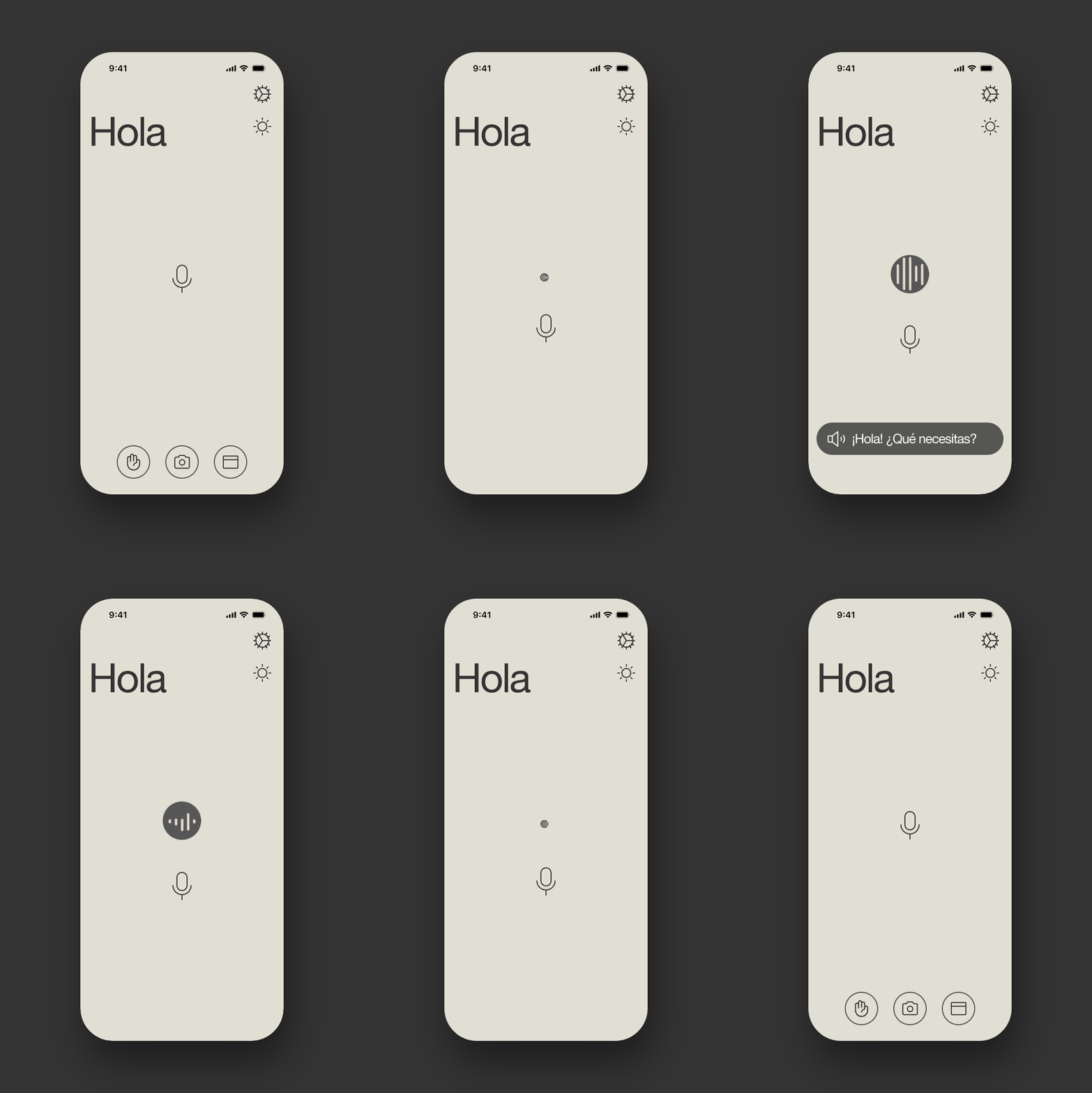
A reading and navigation layer for digital environments.
Restructures web content into a clearer hierarchy.
Improves readability through contrast, spacing and controlled typography.
Preserves orientation with more predictable navigation patterns.
A perception system for physical environments.
Detects objects, obstacles and relevant visual cues.
Uses OCR, scene understanding and distance awareness to make surroundings more legible.
Turns visual input into actionable information instead of raw description.
Human assistance integrated into the same system.
Offers verified support through chat, call or camera-based sessions when needed.
Keeps assistance contextual instead of forcing a separate workflow.
Appears as a fallback layer, not as the main mode of interaction.


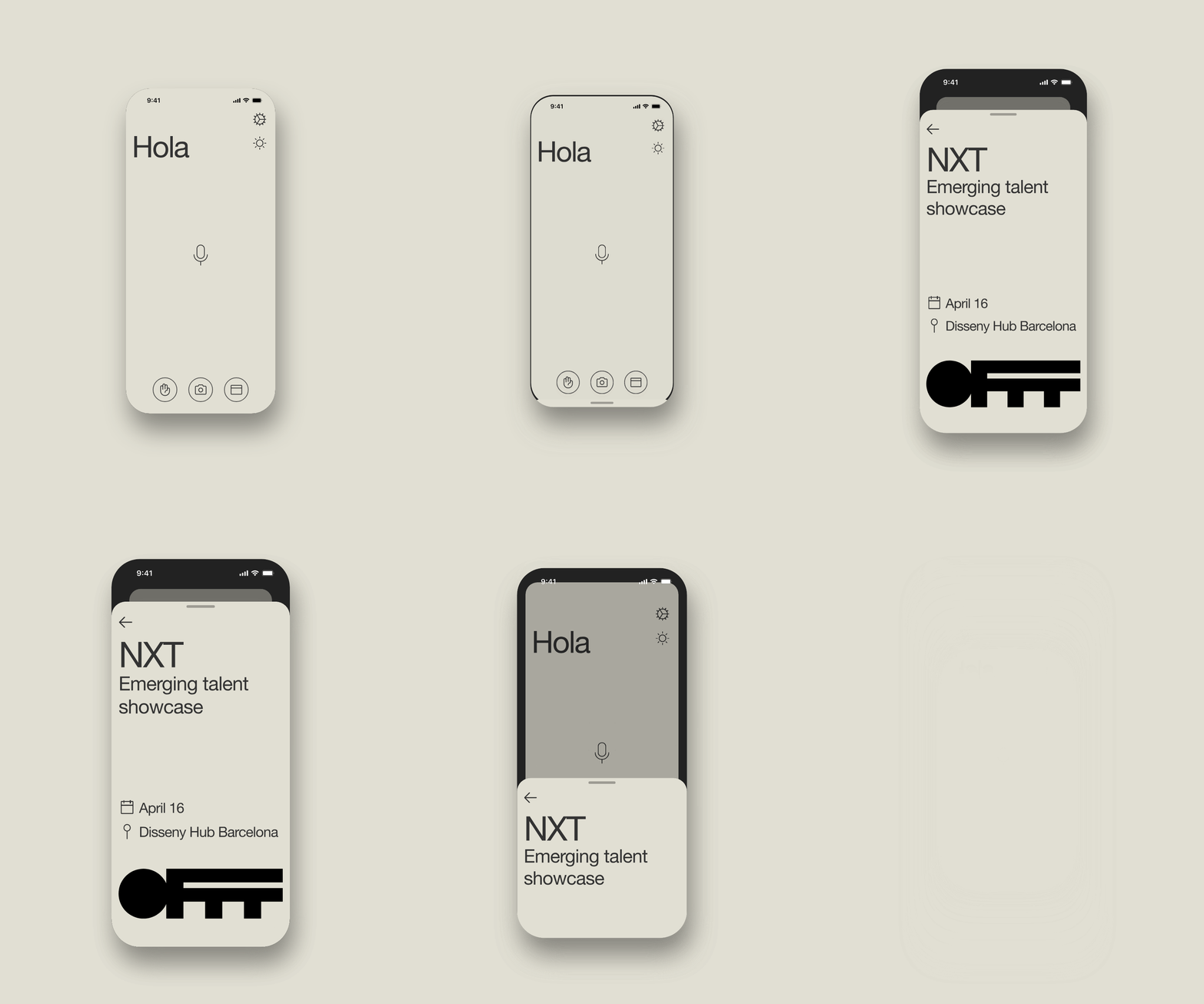
Type size and weight do most of the work. The interface reduces decoration so reading structure becomes the primary navigation mechanism.
Information is grouped into stable layers so users can identify priority, secondary detail and actions without searching.
The system avoids sudden shifts in layout logic. Navigation stays explicit, learnable and repeatable across modules.
Adaptation happens gradually. Users can tune readability and assistance without losing their current context or feeling reset by the interface.
Each screen presents only what is needed for the current decision, limiting simultaneous demands on attention and interpretation.
Layered transitions preserve continuity by revealing the next level of information without visually disorienting the user.
The camera identifies crossings, obstacles and orientation cues so movement depends less on uncertain visual detail.
Labels, packaging and surrounding context can be interpreted through OCR and scene analysis instead of guesswork.
The browser restructures dense interfaces into a calmer reading flow with stronger hierarchy and more legible controls.
When the situation requires human judgment, verified volunteers can step in through the same system without breaking continuity.
More autonomy in physical and digital tasks.
More structured access to information.
Less dependency on fragmented tools and improvised support.
Recognition & press · 01
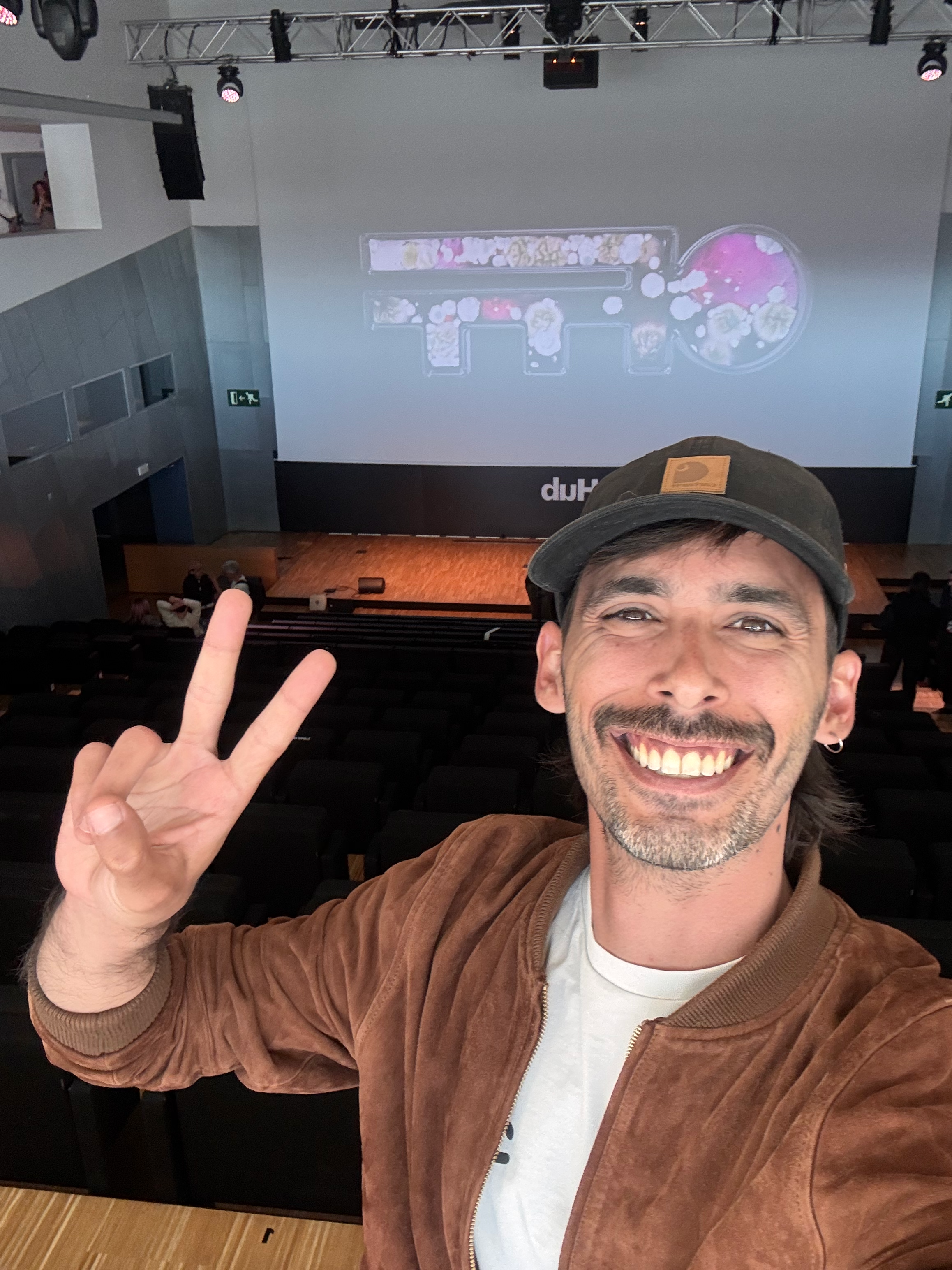
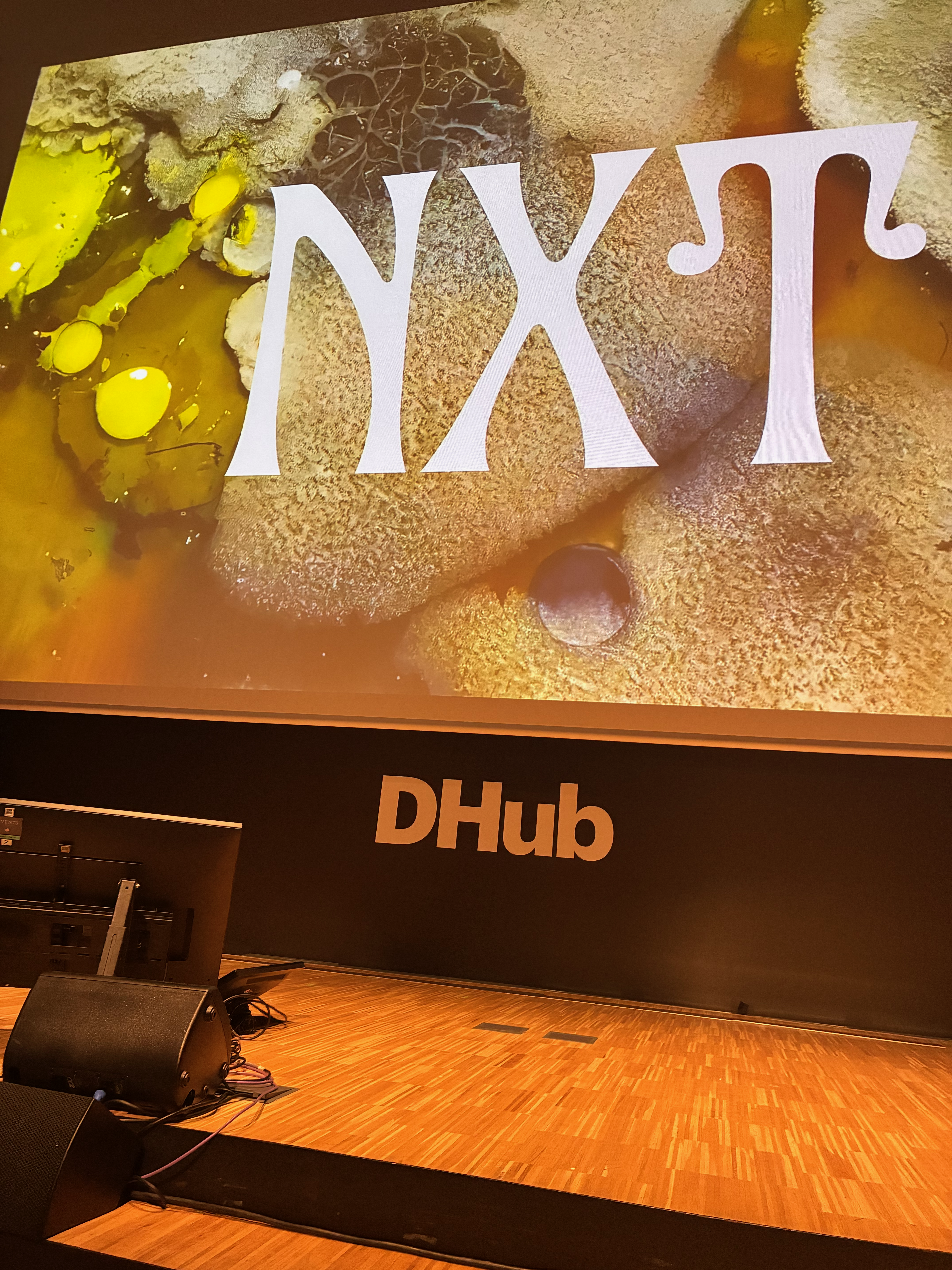
I had the opportunity to present the project at OFFF Barcelona 2026, within the NXT student showcase, a platform dedicated to emerging talent in design and creativity.
According to OFFF, NXT was presented in its third edition as part of the festival, featuring student-led pitch sessions from 10 leading creativity and design schools at Disseny Hub Barcelona.
This part of the project marks the moment when the work moved beyond the academic context and entered a public design festival setting.
Event
OFFF Barcelona 2026
Programme
NXT Emerging Talent Showcase
Venue
Disseny Hub Barcelona
Recognition & press · 02
The project was awarded an ADG Laus Bronze 2026 in the Students - Aporta category, recognizing Vue— as a proposal that connects accessibility, autonomy and social impact through design.
Laus
Bronze
2026
Within the project's public trajectory, this recognition marked another important step beyond the academic setting, placing the work within a broader design conversation around relevance, clarity and contribution.
The awarded entry appears in the ADG-FAD archive as Vue— app para la navegacion autonoma en entornos fisicos y digitales, acknowledging the project in the 2026 student awards selection.
Award
ADG Laus Bronze 2026
Category
Students / Aporta
Project
Vue— autonomous navigation app
Recognition & press · 03
These are official selections rather than awarded prizes: two independent acknowledgements of the project's digital design, accessibility focus and emerging-talent profile.
 Official selection
Veredictas Cum Laude 2026
Best Digital Design (Web or App), in the international student design programme run by Veredictas.
View Vue— on Veredictas Official selection
Selekted 2026
New Talent (Student), featured in Selekted's international creative community and 2026 edition.
View Vue— on Selekted


